
1,600+
Recordings collected
1,200+
Transcripts
How a Sports Body Gets Same-Day Impact Reports With AI
Sports · Interview & research analysis
Read the case study →

A sports governing body with plenty of participation numbers added the voices behind them: regional and delivery staff record through one shared link, each recording lands in a structured folder, and one prompt pulls the best quote.
The body had plenty of numbers on participation but no systematic way to hear people's own voices. Evidence reached executives as slides, and there was no analysis time.
One shared link now lets any delivery person record a short interview. Each recording lands in a structured folder, and a single prompt pulls the best quote from each.
In under a year the team has collected close to two hundred recordings. Most come from one person so far, and wider adoption is still growing.
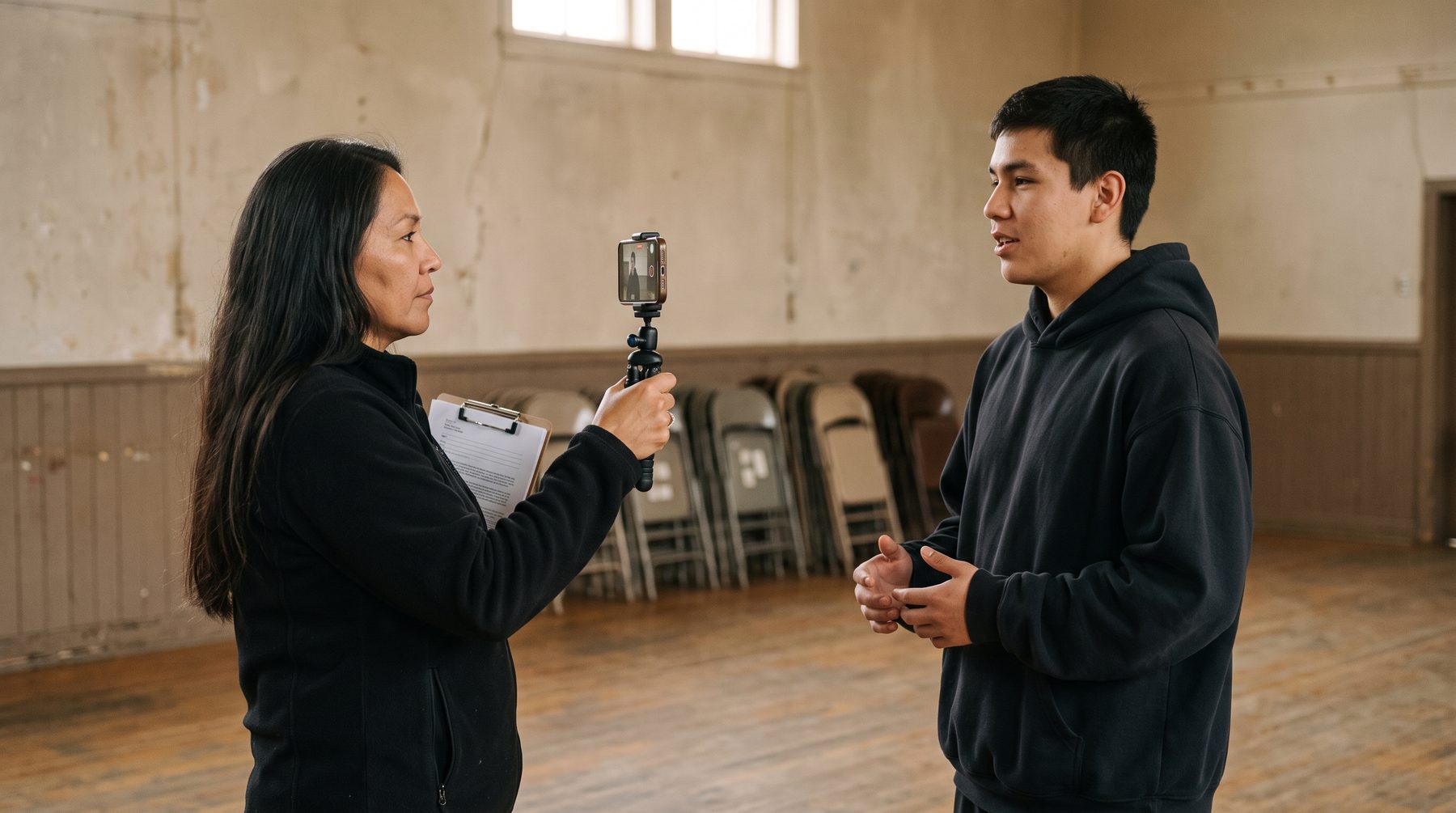
Participation numbers were solid, but the stories behind them were missing and evidence arrived as slides.
A shared recording link, structured folders and one prompt turn each interview into a usable quote.
Sponsors and funders can see colour around the numbers, and the team spends no extra analysis time to get it.
The body could count participation, but it could not easily say what the programme meant to people.

There was no routine way to hear what regional and delivery staff and participants thought. Stories existed but were not captured.
Findings reached executives as slide decks, which compress a conversation into a bullet and lose the voice.
Even when interviews happened, nobody had the hours to transcribe and read through them.
The cost: The old way cost the voices themselves, because stories went unrecorded and the analysis time was never there.
The turning point was how little the first step asked of a delivery person. They opened a shared link and spoke, and the recording went where it belonged.
Before that, the team needed to be sure the output would be usable without a long write-up. A recording landed in a structured folder with the same fields every time, and a single prompt pulled the best quote from each interview. That gave sponsors and funders the colour they asked for beside the numbers, without asking anyone for a report.
A recording goes from a phone to a quote in a structured folder without anyone opening Speak.
A shared recorder link goes to regional and delivery staff. They record from the link and the recording is sent on its own.
Each recording arrives in a structured folder, with fields filled in so the source and topic are always attached.
Every recording is transcribed with speakers labelled, so the interviewer and the interviewee are kept apart.
One prompt pulls the best quote from each interview, and chat across the folder finds themes across many.
Honest friction: Field mapping and automations took guided time to set up. Adoption beyond the lead is still growing, and most recordings so far come from one person. Use has been uneven month to month, so the value so far is in the quality of the stories, not volume.
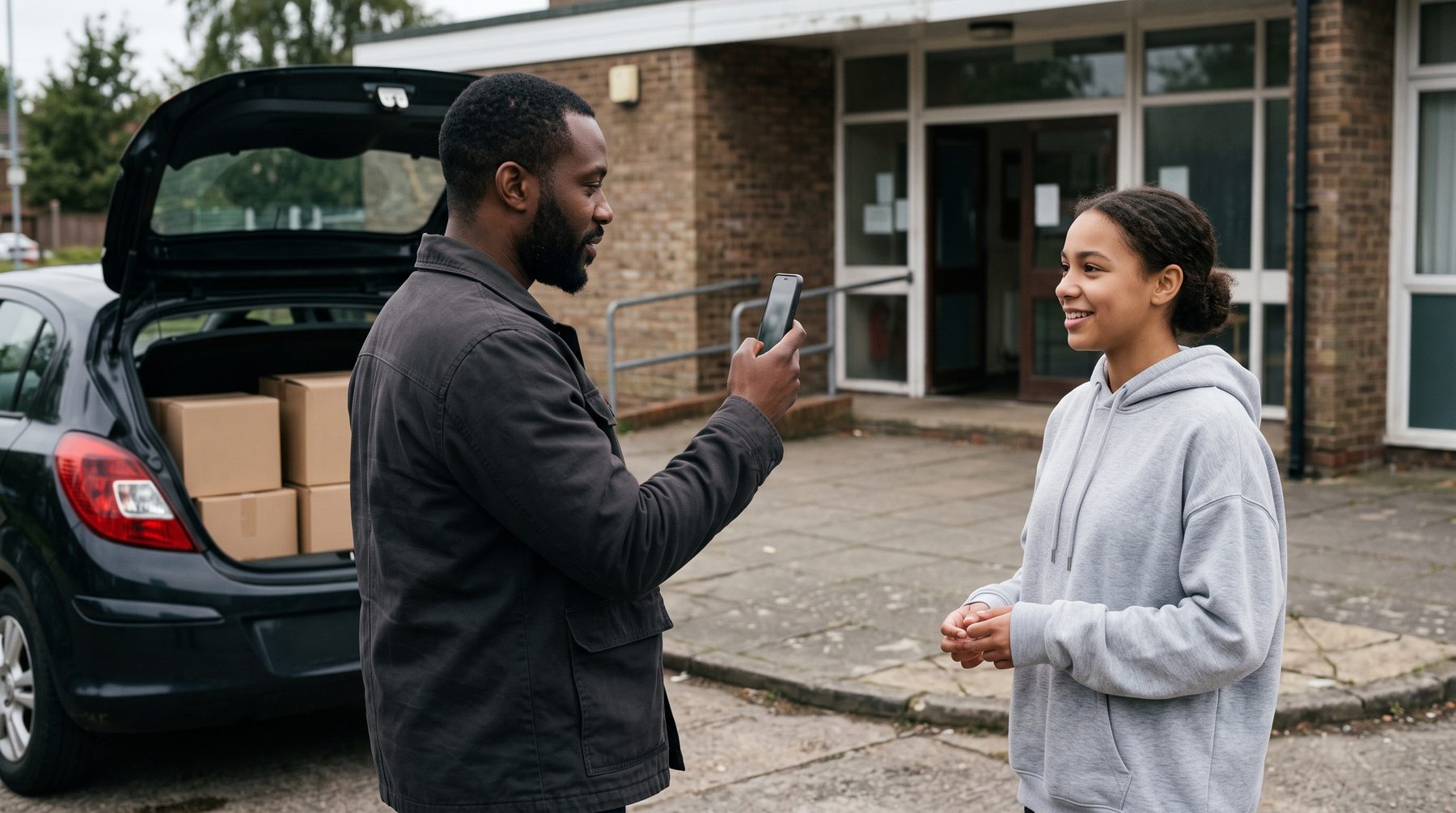
The team has collected close to two hundred recordings, more than 55 hours of audio, through a shared recorder link, a meeting assistant and direct uploads.
The usage numbers on this page are measured from Speak records. This block is a separate estimate of the manual effort the same workload would take. It uses published time benchmarks at the low end of their ranges and official wage statistics at the 25th percentile. Most teams already have transcripts, so Speak’s value here is the analysis layer.
Counts only the analysis, grading and notes effort. The conservative baseline.
Up to about 60 hours and US$3,300 at the high end of the published ranges.
Baseline (a) plus manual transcription. The upper bound.
Up to about 430 hours and US$13,000 at the high end of the published ranges.
Which baseline we lead with: The team had no analysis time before and no recorded interviews to compare, so the conservative baseline (a) leads.
| Task | Manual time (published range) | With Speak (our assumption) |
|---|---|---|
| Coding and pulling quotes from recorded interviews | 0.75 to 1.52 hours per hour of audio Assessing the time required for qualitative analysis: a comparative methodological study of coding interview data in health services research |
0.4 hours per hour of audio Our assumption: 0.4 hours per hour of audio to review AI-pulled quotes. |
| Manual transcription (baseline b only) | 4 to 7 hours per hour of audio Realities Toolkit #08: Transcribing your own qualitative data |
0.25 hours per hour of audio Our assumption: 0.25 hours to check an AI transcript. |
Workload (measured): 55 hours of audio. Live, non-deleted recordings for the account, with a 12-hour cap per recording and zero-length rows ignored, pulled 2026-10-11.
Hourly cost: US$28.05 (25th percentile) to US$37.87 (median) for Market research analysts and marketing specialists; transcription is costed at US$16.42 to US$19.43. Both are multiplied by 1.43 to include benefits and employer costs. US wages are used as a neutral reference.
Some of these recordings are meetings, not interviews. Equivalent manual effort, not a measured saving.
As of October 2026. This estimate is not customer-reported, is not audited, and does not include software costs.
Paraphrased from our own conversations with the team. Not quotes.
Numbers tell funders how many people took part, and a short voice from the field tells them why it mattered.
Paraphrased from our calls with the team
A link that asks nothing of the person recording is the fastest route from a story to the record.
Paraphrased from our calls with the team
One consistent prompt per interview gives a stack of stories the same shape, so the best lines are easy to find.
Paraphrased from our calls with the team


Customer name withheld at their request. Figures are from Speak usage records, as of October 2026.
Talk to us about collecting voices from regional and delivery staff and turning them into quotes.