
180+
Recordings collected
55+
Hours of audio
How a Sports Body Gets Programme Stories From Field Staff With AI
Sports · Interview & research analysis
Read the case study →

A sports governing body replaced its quarterly slide deck with a live knowledge base built from event recordings, so it can share evidence of impact against funder objectives with one link instead of a rebuilt report.
Reporting ran on a funder-driven cycle, with a quarterly slide deck rebuilt each time. Photos and posters could not be read by the tools in use, and some uploads were lost along the way.
The body now collects event voices through embedded recorders, keeps them in organised folders with the same fields applied, and shares one live link instead of a deck.
Over the years it has collected well over a thousand recordings in busy bursts around events.

A slide deck was rebuilt every quarter, and some evidence never made it in.
Event recordings go into one organised space, with transcripts and fields applied the same way each time.
Funders and colleagues open one live link and see the evidence as it stands today.
The reporting cycle was set by funders, and each cycle began from scratch.
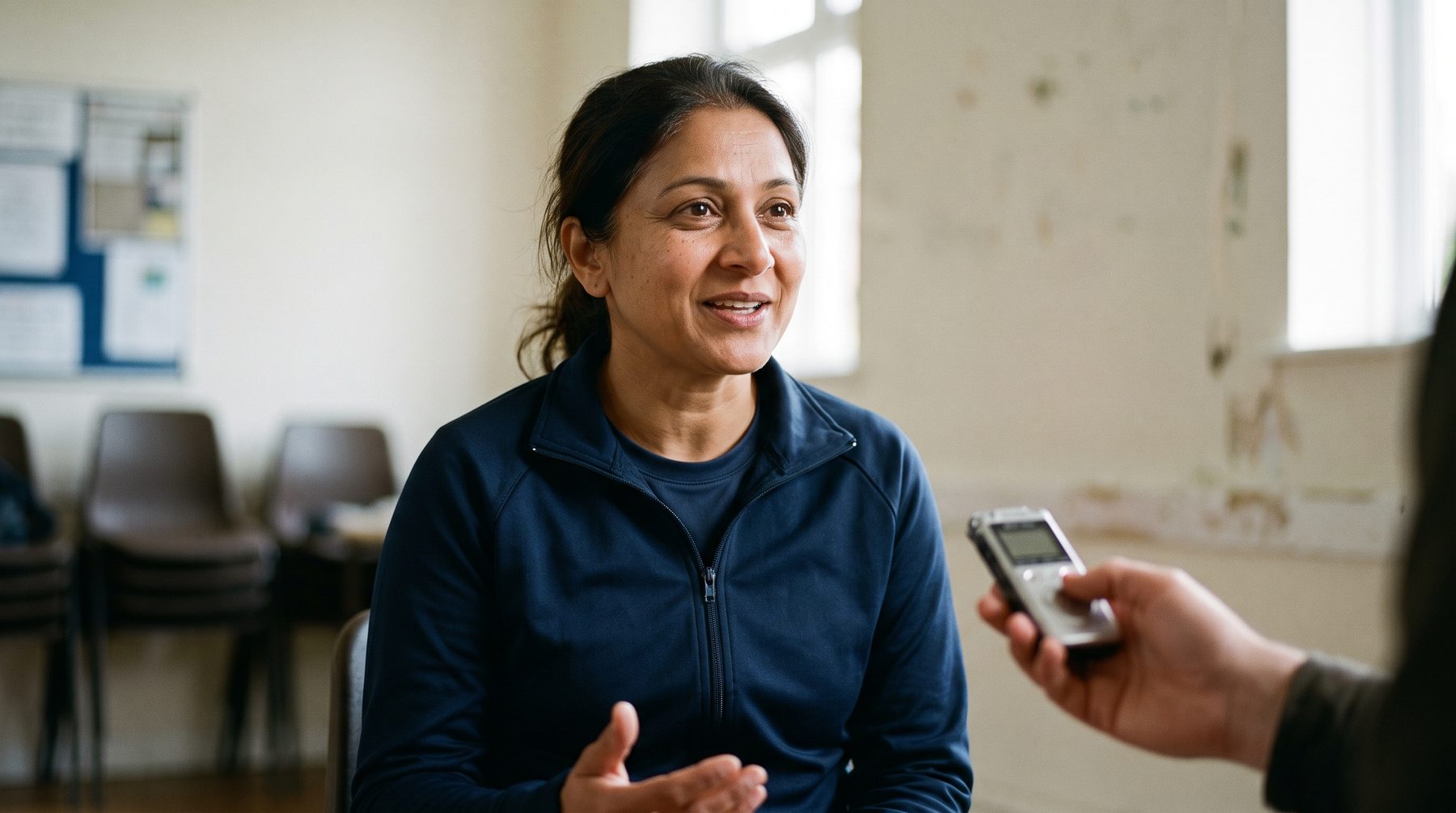
Every quarter the team gathered material and assembled a new set of slides. Anything newer than the last deck waited for the next one.
Photos and posters from events carried real information, but the tools in use could not read them. They sat outside the analysis.
Submissions came in by several routes, and some went missing before anyone had analysed them.
The cost: The old way cost analyst time on every reporting cycle and left some evidence out of the picture.
The turning point was the idea of a knowledge base that updates as recordings come in, replacing the deck as the thing funders see. Instead of asking what had changed since the last report, a funder could open the same link and look.
Before the team committed, they needed to be sure that evidence would stay organised and traceable, and that colleagues outside the analysis team could use it without training. Embedded recorders on the body's own pages, folders with consistent fields, and chat across the folder answered both. The question shifted from how to prepare a report to what to ask the evidence.
Recordings arrive from events, land in the right folder, and are ready to search and share.
Embedded recorders on the body's own pages let participants and staff leave a voice message. Text notes and spreadsheet rows can come in alongside.
Each submission lands in an organised folder with the same fields applied, so evidence from different events can be compared.
Transcripts and prompts pull out themes and best examples. Chat across a folder answers questions that cut across events.
One live link to the knowledge base replaces the quarterly deck for funders and colleagues.
Honest friction: The workflow is driven by events, so activity comes in bursts rather than a steady stream. Fields and automations took guided time to settle, and only a small set is in use. Most records are short voice messages, which is why this page does not quote hours of audio.
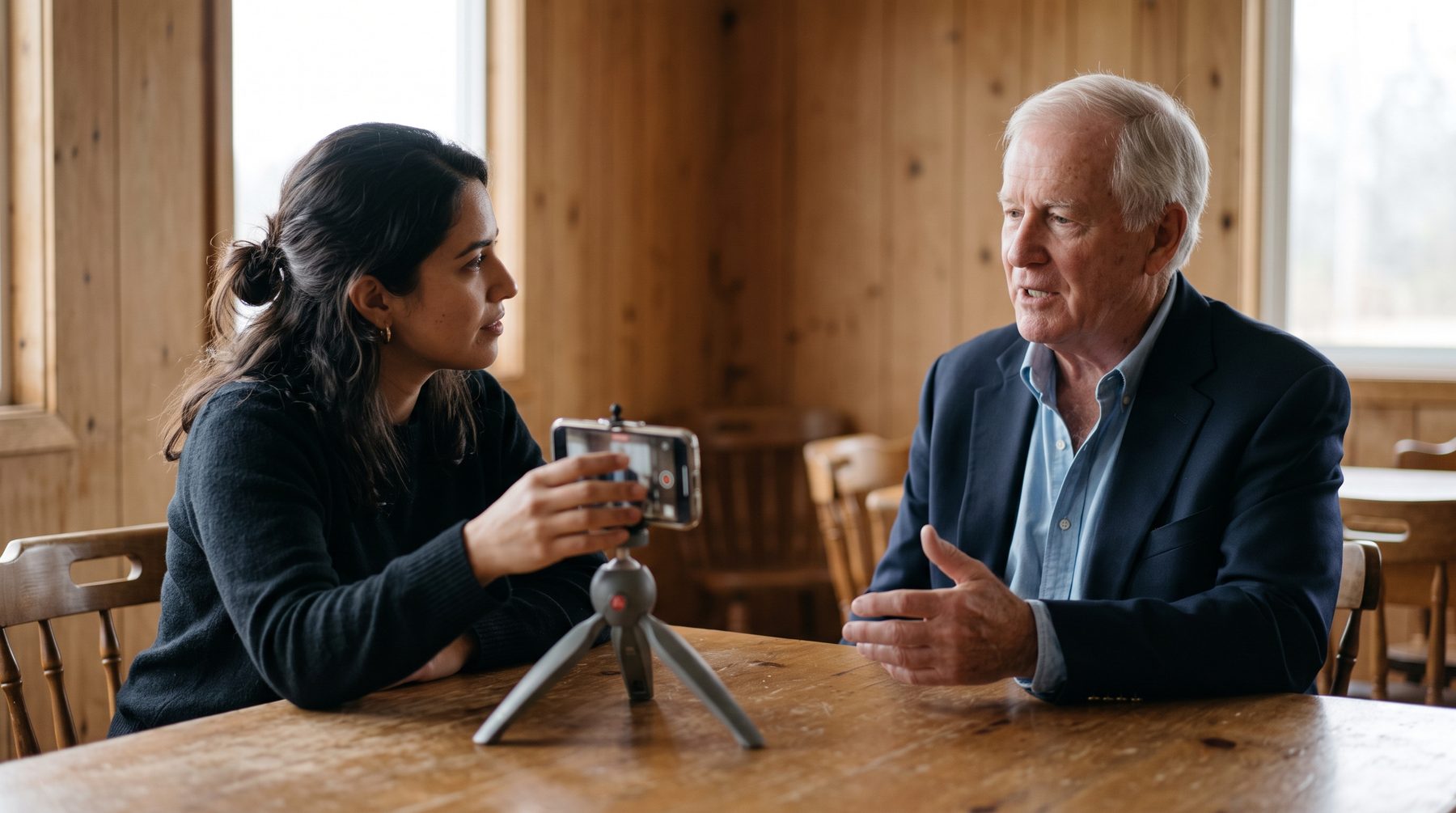
The body has collected over a thousand recordings through embedded recorders and holds transcripts for most of them, with busy bursts around events.

Paraphrased from our own conversations with the team. Not quotes.
A live knowledge base changes the funder conversation from what the report says to what the evidence shows today.
Paraphrased from our calls with the team
Event-driven teams collect in bursts, so the useful design is one that keeps everything organised between bursts.
Paraphrased from our calls with the team
Consistent fields turn many short recordings into evidence that can be compared across events and seasons.
Paraphrased from our calls with the team



Customer name withheld at their request. Figures are from Speak usage records, as of October 2026.
Talk to us about turning event recordings into a live knowledge base.