
2,200+
Consultation recordings
~870
Hours of consultations
How an Insurance Agency Documents Every Consultation With AI
Insurance & financial services · Meeting documentation
Read the case study →

A care-management team now records its client meetings in person and online with Speak AI, files each transcript to the right record automatically, and lets supervisors coach from the recording instead of a second-hand account.
Staff on a care-management team met clients in person and online, then wrote their notes later from memory. Supervisors coached from what staff reported back, which was one step removed from what was said.
The team set up a meeting assistant that joins scheduled online meetings, and recorder links for in-person visits that work without a signal. Transcripts landed on the right record without the staff member opening Speak. Fields and automations organised each one.
Most of the team now records every week. Supervisors coach from the recording itself, and the team has recorded more than 1,900 meetings in about a year.
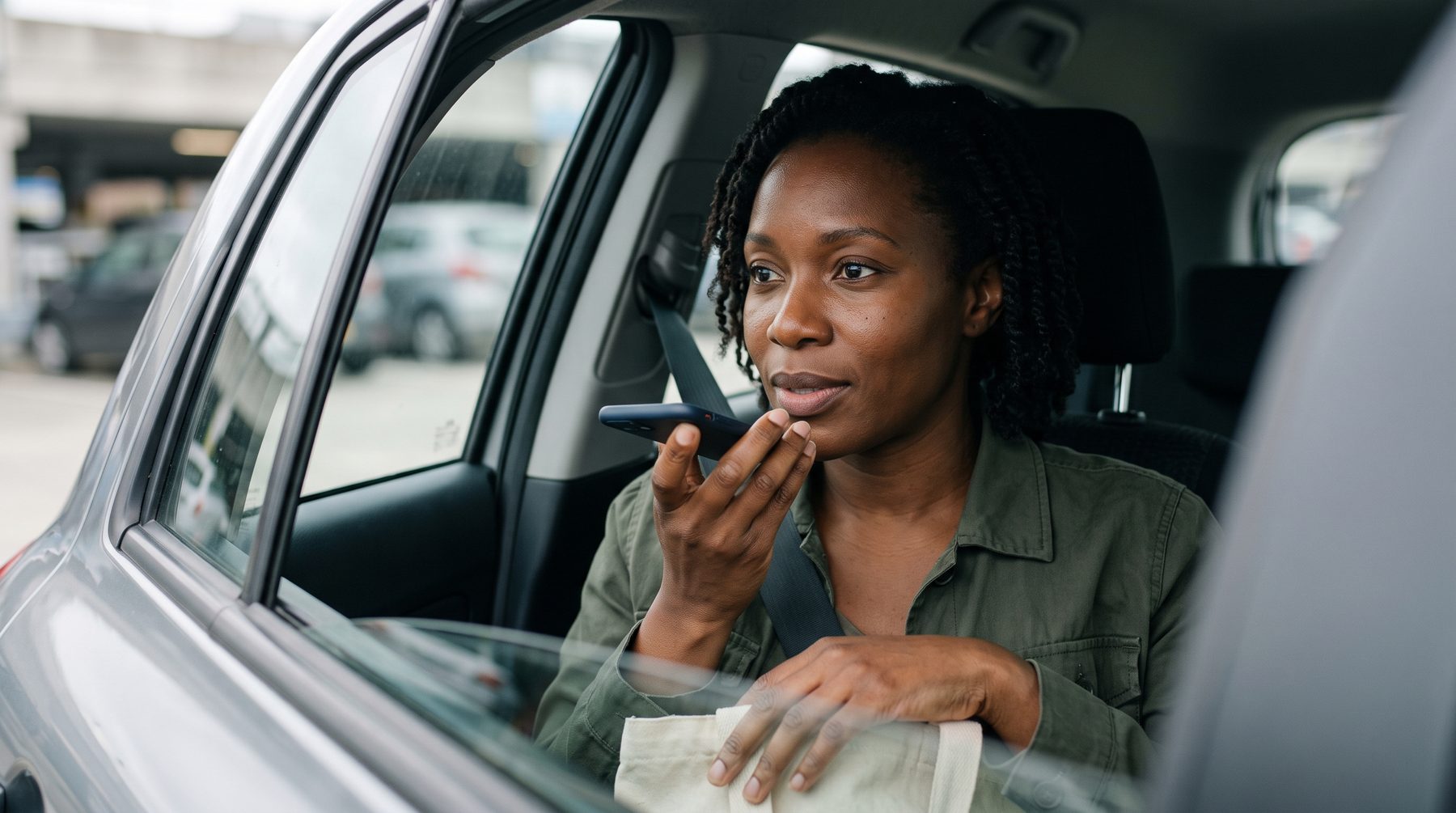
Notes were written from memory after the meeting, and supervisors coached from second-hand reports.
A meeting assistant and recorder links captured meetings, and transcripts filed themselves to the right record.
Most of the team records every week, and supervisors coach from what was actually said.
Good visits were hard to see from the outside. The record depended on what staff remembered and chose to write down.

After each in-person or online visit, staff wrote notes from recollection. The detail depended on how busy the day had been, and it often waited until the evening.
Supervisors could only coach on what staff told them. They rarely heard the conversation itself, so feedback stayed general.
Tools that asked staff to log in, start a recording and file it afterwards were skipped on busy days, so the record had gaps.
The cost: Documentation done after hours from memory, coaching on a retelling, and a record with gaps wherever the extra steps were skipped.
The moment that changed adoption was seeing a transcript appear on the right record after a meeting that the staff member had done nothing special to capture. The meeting assistant had joined the call on its own and the transcript had been filed when it ended.
The team had to be convinced of one thing above all: that recording would not add work. Anything that asked staff to log in, start a recording or file something would be dropped on a busy day. So the setup was built around staff doing nothing extra for online meetings. For visits in places with a weak signal, a recorder link worked offline and uploaded later. Once recording stopped being a task, the habit spread across the team.
Supervisors noticed the difference first. Coaching sessions used to start with the staff member's account of a meeting. They now started with the transcript, and feedback could point to a specific exchange: a question that opened the conversation up, or a moment that deserved more time. Staff also found the record useful for themselves, because a note no longer depended on what they could recall at the end of a long day. The team never described individual cases in the process, and the page does not either; what matters here is the habit of recording and what it enables.
Online and in-person meetings followed one path into the same record.
A meeting assistant joined scheduled online meetings by itself, so staff did not start a recording or open the app.
For in-person visits, staff used recorder links on their phones. Recording worked offline, so weak signal did not mean a missing record.
Automations filed each transcript to the right record and filled the team's fields, using about fifteen fields and five automations.
Supervisors opened the transcript or recording in coaching sessions and gave feedback on what was actually said.
Honest friction: The fields and automations took a few guided sessions to get right. Getting a large team to trust that recording was part of normal work took time, and volume built up over the months after launch rather than overnight.
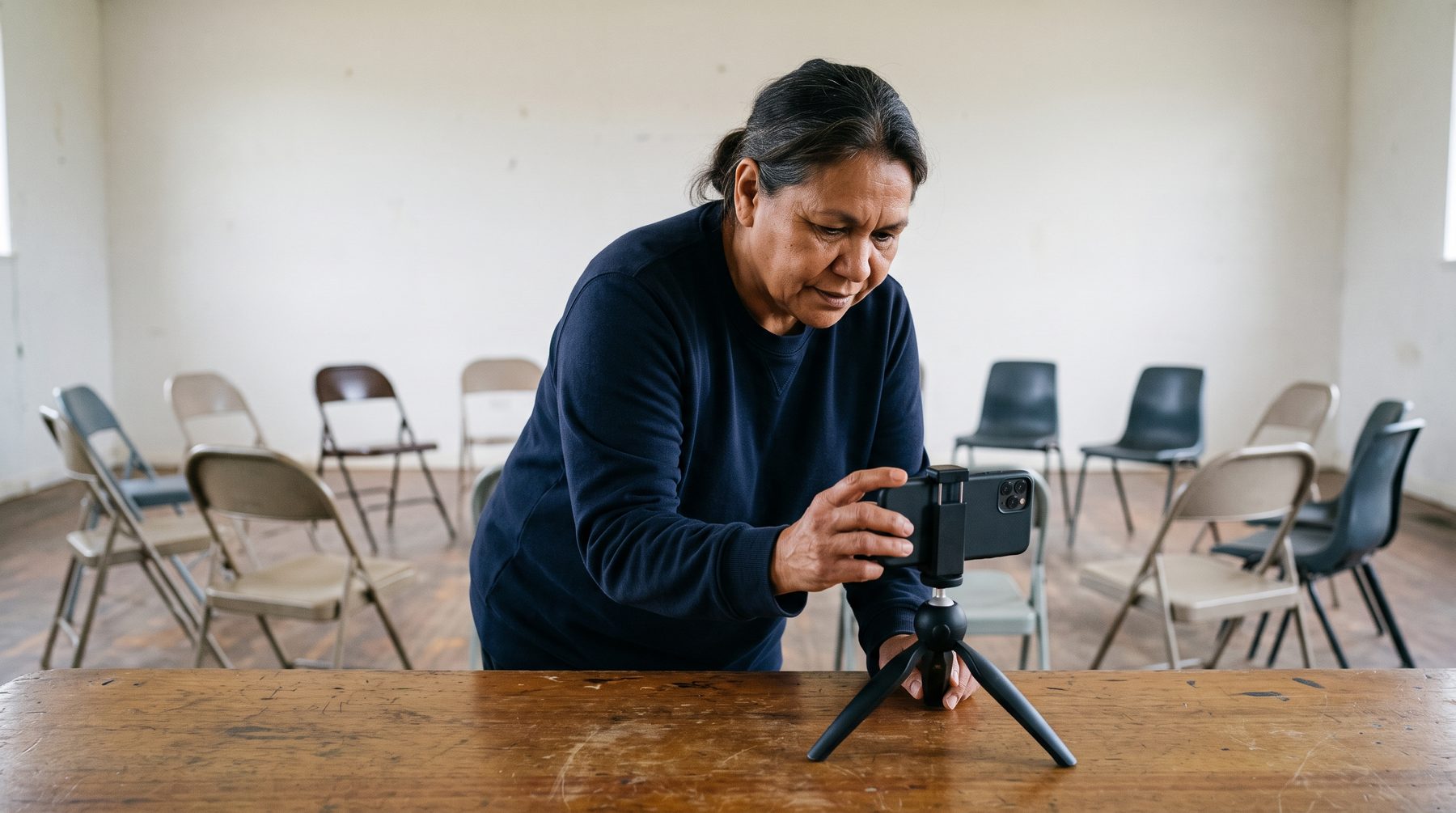
As of October 2026, the team had recorded more than 1,900 meetings across about 1,200 hours, and more than 900 of them in the last 90 days.
The usage numbers on this page are measured from Speak records. This block is a separate estimate of the manual effort the same workload would take. It uses published time benchmarks at the low end of their ranges and official wage statistics at the 25th percentile. Most teams already have transcripts, so Speak’s value here is the analysis layer.
Counts only the analysis, grading and notes effort. The conservative baseline.
Up to about 1,800 hours and US$87,000 at the high end of the published ranges.
Baseline (a) plus manual transcription. The upper bound.
Up to about 9,900 hours and US$310,000 at the high end of the published ranges.
Which baseline we lead with: Staff wrote notes from memory after visits, so no transcript or recording existed to transcribe. The conservative baseline (a) leads.
| Task | Manual time (published range) | With Speak (our assumption) |
|---|---|---|
| Writing up each client meeting | 0.7 to 1.82 hours per hour of meetings Allocation of Physician Time in Ambulatory Practice: A Time and Motion Study in 4 Specialties |
0.25 hours per hour of meetings Our assumption: 0.25 hours per hour of meeting to review the transcript and filed notes. |
| Manual transcription (baseline b only) | 4 to 7 hours per hour of meetings Realities Toolkit #08: Transcribing your own qualitative data |
0.25 hours per hour of meetings Our assumption: 0.25 hours to check an AI transcript. |
Workload (measured): 1,200 hours of meetings. Live recordings in the account, with files over 12 hours and zero-length rows excluded, pulled 2026-10-11.
Hourly cost: US$27.27 (25th percentile) to US$32.63 (median) for Healthcare social workers; transcription is costed at US$16.42 to US$19.43. Both are multiplied by 1.43 to include benefits and employer costs. US wages are used as a neutral reference.
The documentation benchmark comes from physician time studies and is a proxy for care documentation. Equivalent manual effort, not a measured saving.
As of October 2026. This estimate is not customer-reported, is not audited, and does not include software costs.
Paraphrased from our own conversations with the team. Not quotes.
Adoption sticks when recording asks nothing of staff: the meeting assistant joins on its own and the transcript files itself.
Paraphrased from our calls with the team
Supervisors coach better from the recording than from a retelling, because feedback can point to the exact moment.
Paraphrased from our calls with the team
Offline recording matters for teams that work where the signal is weak, because a gap in the record is also a gap in coaching.
Paraphrased from our calls with the team



Customer name withheld at their request. Figures are from Speak usage records, as of October 2026.
Book a demo and we will show a meeting assistant and recorder links filing transcripts to your own records.